The Australian Medical Council is an organisation whose work impacts across the lands of Australia and New Zealand.

The Australian Medical Council acknowledges the Aboriginal and/or Torres Strait Islander Peoples as the original Australians and the Māori People as the tangata whenua (Indigenous) Peoples of Aotearoa (New Zealand). We recognise them as the traditional custodians of knowledge for these lands.

We pay our respects to them and to their Elders, both past, present and emerging, and we recognise their enduring connection to the lands we live and work on, and honour their ongoing connection to those lands, its waters and sky.

Aboriginal and/or Torres Strait Islander people should be aware that this website may contain images, voices and names of people who have passed away.

Learn more
Back
On this page

Abstracts and Presenter Bios

Presenters are listed alphabetically by first name.

A-H

Alan Roberts is a senior educator and experienced tutor with a background across major Melbourne hospitals, including The Royal Melbourne, St. Vincent’s, and Austin. A former lecturer at the University of Melbourne, he has forty years’ experience working with International Medical Graduates and now leads ARIMGSAS as Managing Director, guiding International Medical Graduates (IMGs) in clinical preparedness, professional conduct, and job placement within the Australian healthcare system.

Presenting Author: Alan Roberts

Abstract title: Holistic Support for International Medical Graduates in Australia: The ARIMGSAS Model

Problem Statement / Research Question:

How can International Medical Graduates (IMGs) in Australia be supported holistically—academically, emotionally, and professionally—to successfully navigate AMC pathways and integrate into the Australian medical workforce?

Methods and Approach:

This workshop presents the ARIMGSAS model—a multi-dimensional support framework designed for IMGs undertaking the Australian Medical Council (AMC) process. Over 40 years, ARIMGSAS has developed a structured yet adaptive approach that includes comprehensive AMC course delivery (full-time and after-hours), personalized pastoral care (emotional, financial, and mental health support), and tailored career guidance (job application, CV building, and interview preparation). The model is informed by continuous engagement with IMGs from diverse backgrounds and refined through case-based experience and participant feedback.

Results:

ARIMGSAS has directly supported thousands of IMGs from over 10 regions globally, including Africa, Palestine, India, and South America. The provision of installment-based course payments, job placement success through CV optimization, and crisis intervention for exam-related mental stress have led to a high AMC pass rate and successful hospital placements across Australia. The institute has also ensured cultural safety and non-discriminatory practices, enhancing retention and community trust.

Conclusion and Implications:

The ARIMGSAS model demonstrates that sustainable IMG integration requires more than academic training—it demands emotional safety, financial flexibility, and professional mentoring. This workshop will offer a replicable blueprint for IMG support that can be scaled or adapted by institutions and policymakers seeking to empower global medical talent within national healthcare systems.

Alexis Holden is the Kaitohutohu Mātāmua – Whakaurunga, Principal Adviser – Registration at Te Kaunihera Rata o Aotearoa, the Medical Council of New Zealand. She has held this role since 2022 and enjoys the challenges that come with the evolving nature of medical regulation.


Before moving to Aotearoa New Zealand, Alexis spent several years practising as a lawyer in the United Kingdom, as well as completing a Masters in Medical Ethics and Law at King’s College London.


Presenting Author: Alexis Holden

Abstract title: Developing flexible and enabling pathways to support the registration of international medical graduates

New Zealand has the highest proportion of international medical graduates (IMGs) in its medical workforce among developed countries. Our data shows that 43.3% of doctors registered in New Zealand are trained overseas. Therefore, it is pertinent that Te Kaunihera Rata o Aotearoa | Medical Council of New Zealand (the Council) critically reviews existing registration pathways and develops new ones, to ensure a flexible and enabling approach to registering IMGs. In parallel, the Council will consider its overarching objective as regulator to safeguard the public as part of maintaining a permissive registration system.

The Council has multiple registration pathways available to IMGs, including those IMGs who want to practise in New Zealand at specialist level. The majority of these pathways do not require an IMG to undergo and pass an examination to be eligible for registration. Instead, some of the pathways require an IMG to have a recognised qualification, while others require the IMG to have experience of practising in a country deemed to have a health system comparable to New Zealand’s.

Recently, the Council introduced a fast-track pathway for specialist registration. This significantly reduces processing time, with decisions on applications for registration now made within 20 working days, allowing IMGs to begin work sooner. By analysing previous assessment outcomes, we have developed a list of approved postgraduate qualifications and areas of medicine. The list currently includes qualifications from the UK, Ireland, and Australia in seven high demand areas of medicine – anaesthesia, dermatology, emergency medicine, general practice, internal medicine, pathology (anatomical) and psychiatry.

The presentation will focus on how the Council has revised existing pathways and introduced new ones to support the entry of qualified doctors into the workforce. The aim is to address workforce needs and improve access to care through permissive and flexible registration pathways, while upholding public safety.

  Amanda Moore has a lifetime of commitment to Newcastle. After finishing Merewether High School, Amanda completed her medical degree at the University of Newcastle. Over the last 30 years, she has worked as an Emergency Medicine Specialist at the John Hunter Hospital and has been responsible for JMO supervision and education in that role.  In 2024, through her commitment to leadership and passion for JMO development, Amanda was the appointed to the role of Director Prevocational Education and Training and during that time has chaired the Network Assessment Review Panel and supported JMO and many international medical graduates through their prevocational years.  Amanda has also been an assessor on the Workplace Based Assessment Program for International Medical Graduates since the program commenced in 2010.


Kathy Ingham With nearly 40 years’ experience in health, Kathy Ingham is a highly experienced senior health manager and adult educator.  Kathy has worked extensively in medical professional development and medical education with Hunter New England Local Health District and the Health Education and Training Institute.  Currently, Kathy holds the position of District Medical Program Manager, in the Medical Directorate, HNELHD.  A strategic portfolio providing leadership, management and organisational accountability for the prevocational and medical training networks, medical professional development, international medical graduate initiatives and much more.  Kathy has presented at national and international conferences since 2010.  Alongside a team of colleagues, Kathy is the recipient of the NSW Premier’s Award for Innovation in Frontline Delivery, the Director General’s innovation Award and the NSW Health Award for Building the Health Workforce.  Kathy received the award for Hunter Regional Teacher of the Year in Vocational Education & Training.


Presenting Authors: Amanda Moore and Kathy Ingham

Abstract title: Supporting International Medical Graduates through a Structured Transition Program: The SIMGTP at HNELHD

In 2024, Hunter New England Local Health District designed, delivered, and evaluated a bespoke six-week Supernumerary International Medical Graduate Transition Program (SIMGTP). This program was designed to support and increase the preparedness of International Medical Graduates (IMGs) who traditionally commence work in the Australian healthcare system with limited orientation and support. Sixteen IMGs were recruited and deemed a good fit for the program and the organisation. On commencement the IMGs participated in a medically-led, week-long orientation program which focussed on critical areas of need, including:

  • Introduction to Australian life and the healthcare system
  • Communication and linguistics
  • Multidisciplinary team function
  • Understanding clinical pathways
  • Medical documentation and processes
  • Social events (international and Australian-themed lunches)

This was followed by a five-week “buddied” clinical integration period which included education sessions providing practical and reflective learning opportunities during:

  • Simulated ward rounds
  • Junior Medical Officer-led sessions on organising the clinical day
  • Troubleshooting and experience-sharing forums
  • Training on urgent clinical reviews and rapid response systems

Graded clinical integration was achieved through a buddy system. IMGs were paired with selected JMOs, who then completed “Teaching on the Run” modules prior to commencing the buddy period to increase their skills in supervision.

The program was evaluated at four critical stages: on completion of recruitment, post-orientation, mid-program, and post six-week completion.

Data revealed gaps in communication, cultural awareness, and local protocols. By mid-program, participants showed improved language skills, confidence, and team engagement. On completion, they demonstrated clinical competence and workplace readiness. Follow-up with supervisors confirmed successful transition into the Australian healthcare system.

This program provided IMGs with a supportive and practical foundation for safe and confident clinical practice. Our presentation will showcase the effectiveness of early IMG orientation and targeted education, leading to seamless transition into the Australian Healthcare System.

Andrew Lewis has 30 years of experience as an industrial relations practitioner; a large portion of that time within the health sector.  Andrew has worked in most Australian state and territories for the Australian Medical Association (AMA) and has “seen and done it all” across public and private health representing and advising AMA members about workplace and training issues at every point of their medical career.


Presenting Author: Andrew Lewis

Abstract title: Successfully Navigating the Doctor Workplace

Understanding that IMGs are not a homogeneous group, we will discuss equity responses that encourage IMG success in their work and the role of the AMA in achieving that.  While IMGs and their medical colleagues naturally self-identify as doctors, they are first either “contractors” or “employees” when at work, and in law.  The nature of these different types of work arrangements, and the rights and obligations that arise will be examined.  Of course, the law applies but workplace culture is also a big feature of doctors’ professional experience.  An honest appraisal of culture, its implications for patient outcomes, and IMGs’ experiences will highlight behaviours that are not acceptable to encounter.  When the workplace issue is complicated, incorrect analysis of the problem often means the wrong objective is pursued, in the wrong way, ending in a less than optimum outcome.  To avoid this, where to go for advice, and what to expect when seeking to resolve a workplace problem will be explained.  We will also explore what is needed to influence a fair outcome, the techniques to self-advocate, and how to maintain professional reputation when things go wrong at work.

Ayman Shenouda a former RACGP President and former RACGP Rural Chair. He is the inaugural Chair of the RACGP’s National IMG Committee and is an IMG and GP working in Wagga Wagga.


Ayman is passionate about supporting and celebrating IMG GPs, who are the backbone of Australian general practice.


Presenting Author: Ayman Shenouda

Abstract title:  Centering IMG voices within the Royal Australian College of General Practitioners

The Royal Australian College of General Practitioners (RACGP) represents over 50,000 members working in or towards a career in general practice. Our core commitment is to support GPs from across the entirety of general practice address the primary healthcare needs of the Australian population. This includes providing support for the approximately 40% of GPs in Australia who are IMGs.
According to the RACGP’s 2023 Member Engagement Survey, 76% of respondents who are IMGs expect support from the RACGP when transitioning to Australian general practice. Last year the RACGP established a new National IMG Committee to represent and advocate for the interests and concerns of IMGs within the College. The Committee draws on perspectives from IMGs in all States and Territories to input into all areas of College activity including advocacy, education and training, and member support.
An early focus area of the Committee was to make recommendations on how to engage and help those IMGs who are in the early stages of moving to and living in Australia, and to support the implementation of these recommendations within the College. This included supporting the College to better promote and extend existing resources, to develop new initiatives, and to bring a focus on IMGs through all business areas. Almost a year after its inception the Committee’s Chair will share the key ways the Committee is driving change, improving support, celebrating achievements and centering IMG voices within the College.

  Belinda Gibb is a proud Dharug woman, the traditional Custodians of Sydney, Australia. She has over 25 years’ experience in education, policy and program delivery, in both government and the not for profit sector, with senior management roles in both government agencies, and Aboriginal and Torres Strait Islander organisations, such as the Healing Foundation, Community First Development, and as CEO at Australia’s leading Indigenous education provider, the Australian Indigenous Leadership Centre (AILC).

She is currently the Director of Indigenous Policy and Programs at the Australian Medical Council (AMC), where she leads an amazing team, with responsibility for delivering training and support to the AMC, their Committees and stakeholders around Cultural Safety and Indigenous Health, and ensuring it is imbedded across all their policy and programs, including within the Accreditation Standards for Medical training at all levels, and the assessment of International Medical Graduates.

Belinda also sits on the Board of the Dharug Strategic Management Group (DSMG), whose purpose is the advancement of culture and wellbeing of the Dharug people, exercising care and stewardship over elements of Dharug Nura (Country), and until recently sat as a Director on the Boards of CRANAplus, the peak professional body for the remote and isolated health workforce and Dharug Ngurra Aboriginal Corporation (DNAC) a community organisation set up to support the Dharug People.

She is an Independent Aboriginal and Torres Strait Islander Advisor for the ACT Government Working with Vulnerable People Committee and is a member of both the Ahpra Aboriginal and Torres Strait Islander Health Strategy Group, and the Ahpra Cultural Safety Accreditation and Continuing Professional Development (ACPD) Working Group.


Presenting Author: Belinda Gibb

Abstract title: Creating Square Holes-true First Nations Health education

Looking at the shape of non-Indigenous systems, and how we can properly include First Nation’s needs, we address the question-Do we need to break it to change it?

We will discuss the AMC’s changed approach to Indigenous health disparity from that of an ‘Indigenous problem’ to one which acknowledges that lack of consideration of First Peoples in the western biomedical paradigm.

We will address the need to rebuild the settler focused health education paradigm from a starting point of inclusion, and how the medical school standards are helping to drive that change within the schools.

We look at how this can be achieved by making spaces that fit the needs of First Peoples, rather than asking them to squeeze into systems of health created for someone else. We discuss the process of creating new systems, rather than adapting old ones, and how Indigenous business practices help us to do so.

We discuss how to slowly impact on an embedded organisational culture, and what authentic consultation and collaboration looks like within these systems and to ensure we get it right, and how we should respond when we don’t.

  Belinda O’Sullivan is a leading health workforce researcher based at Monash University and collaboratively researching with GPSA. Belinda specialises in rural medical education, training pathways, and workforce sustainability. With a background in rural health policy, workforce modelling, and implementation research, she has led national and international studies that inform strategies to attract, train, and retain doctors in underserved communities. Her work focuses on evidence-based approaches to workforce development, particularly for general practice, and includes extensive contributions to understanding International Medical Graduate (IMG) pathways and rural supervision models. Belinda collaborates closely with training providers, professional bodies, and governments to translate research into system-level reform. A passionate advocate for equitable healthcare access, she brings a strategic lens to strengthening rural medical systems through data, policy, and education.


Kim Ormond is a specialist general practitioner in Adelaide with a clinical interest in women’s health, paediatrics and palliative care. She has a strong focus on medical education and is a Medical Educator for the RACGP supporting registrars undertaking the Academic Post.

In parallel, she is an active advocate for general practice. She is a current Board Director for GPRA and has previously served as a GPRA Registrar Advisor, a Registrar Liaison Officer and National Deputy Chair and SA Representative of the RACGP GPs in Training Faculty. She is passionate about strengthening the training journey and experience for doctors and has championed issues such as equitable funding, workforce sustainability and improved support for GPs in training. Whether shaping policy discussions or mentoring future practitioners, she brings a values-driven approach grounded in clinical insight and systems thinking.


Presenting Authors: Belinda O’Sullivan and Kim Ormond

Abstract title: From Surviving to thriving: Supporting IMGs on the pathway to rural GP roles

Conflict of interest: The research was supported by an Education Research Grant for General Practice Supervision Australia awarded by the Royal Australian College of General Practitioners with funding from the Australian Government under the Australian General Practice Training (AGPT) Program and the research team were concurrently involved in medical education work and advising the Australian government about professional support for rural and remote doctors but the researchers worked independently of any funding or other roles and participants were informed of this and allowed to ask questions prior to consenting, and had the right to withdraw at any time.

Background/Aim: Australia is heavily reliant on international medical graduates (IMGs) for rural primary healthcare services. Although there is no national strategy addressing how various stakeholders can collaborate to support IMGs to thrive as they migrate and undertake rural GP pathways.

Research question: The aim was to co-design a national framework for supporting IMGs across rural GP pathways.

Methods: Realist evaluation and participatory action research involved recurrent rounds of focus groups, interviews and feedback cycles exploring solutions to the contextual challenges for IMGs and how to promote their comfort, confidence, competence, belonging and bonding (established mechanisms in the literature). Participants included 41 people across rural GP training, including decisionmakers, training teams, supervisors and IMGs.

Results: The framework identified a wide range of strategies was identified to be needed to promote comfort, confidence, competence, belonging and bonding. The strategies became progressively more populated and nuanced until the research team felt saturation was reached and there was limited additional feedback. Strategies to build comfort including information and tailored advice were most critical at the point of migration. Strategies to promote confidence, competence and belonging to the community such as supportive supervised workplaces and introductions, were needed when moving to new workplaces/communities. When training to become a specialist rural GP, strategies like equitable pathways building on IMG capabilities, scalable resources and family focused training to promote professional belonging and bonding were critical.

Conclusions: The framework is applicable for multiple end users to drive a more collaborative and coordinated implementation of solutions for a supported IMG workforce in rural general practice. It provides clarity about temporal implementation so that support is more multi-layered and integrated for the benefit of IMGs.


  Beverley Sutton is the CEO of Health Education Australia Limited (HEAL) and, a division of HEAL, the Australasian Institute of Clinical Governance (AICG). HEAL a 100-year-old not-for-profit and charitable organisation has a proud and rich history of providing health professions education – originally to doctors returning from WWI and for the last 40 plus years to assist International Medical Graduates (IMGs) to sit their AMC registration exams.

Prior to HEAL, Beverley held executive positions as the Director of Medical Support Services at Northern Health and the Director of Medical Workforce and Clinical Training at Austin Health


Presenting Author: Beverley Sutton

Abstract title: 40+ Years Training International Medical Graduates (IMGs) – What Has It Taught Us?

Research Question / Problem Statement: Over the past four decades, training programs for International Medical Graduates (IMGs) in Australia have revealed persistent challenges and evolving needs. This presentation explores key educational priorities: fostering clinical reasoning over rote learning, embedding cultural competency, strengthening communication skills, and building understanding of the Australian healthcare system. What have we learned from 40+ years of supporting IMGs to successfully transition into Australian clinical practice?

Methods and Approach: This longitudinal reflective study draws on over 40 years of program evaluations, participant feedback, and direct educator experience across various IMG training contexts. Data includes participant evaluations, formative assessments, and narrative accounts from both learners and educators. Themes were synthesised to identify core areas of impact and ongoing improvement. Results: While formal outcomes data is not presented, the study offers rich qualitative insight into the evolution of IMG training. Recurrent findings highlight the transformative role of explicitly teaching clinical reasoning, rather than relying on memorisation. Programs that integrated cultural education and clear communication strategies saw improved learner confidence and clinical integration. Understanding the structure, values, and expectations of the Australian healthcare system also emerged as a critical success factor.

Conclusion and Implications: Decades of experience underscore that technical knowledge alone is insufficient for IMG success. Training must prioritise clinical reasoning, cultural awareness, and communication in tandem with system navigation. These insights support the development of more holistic, adaptive curricula that not only assess competence but cultivate contextual understanding. Future efforts should continue to refine IMG education to meet evolving healthcare demands and promote equitable integration of a diverse medical workforce.

  Bhavi Ravindran is a Public Health Medicine advanced trainee and a Board Director of Doctor’s Health Service (DRS4DRS). He has previously worked in Hunter New England (NSW), the Northern Territory, and more recently Melbourne. He is passionate about doctors’ mental health and driving system-level change to improve the overall health and wellbeing of the medical workforce.


Presenting Author: Bhavi Ravindran

Abstract title: Supporting International Medical Graduates: Accessing Doctors’ Health Services in Australia

International Medical Graduates (IMGs) are a vital part of the Australian medical workforce, yet they often face unique challenges including cultural transition, professional isolation, exam and training pressures, and difficulties navigating new healthcare systems. These challenges can increase the risk of stress, burnout, and barriers to seeking help.

Doctors’ Health Services (Drs4Drs) is a national, independent support service established to promote the wellbeing of doctors and medical students. Through a network of state and territory-based Doctors’ Health Programs, IMGs can access confidential counselling, peer support, referral pathways, and wellbeing resources tailored to the needs of the medical profession.

This presentation will introduce the services available to IMGs, outline how to access them, and share practical examples of how these services can provide timely, confidential, and effective support. It will also highlight how doctors’ health initiatives contribute to a safer, more sustainable medical workforce.

The session aims to normalise help-seeking and equip IMGs with the knowledge and confidence to seek support early, ensuring they can thrive personally and professionally in the Australian health system.

Chaima Zoljami Aidoun, is a Spanish medical graduate from Universitat de Barcelona.

Chaima is an IMG through standard pathway and is currently working as a Resident Medical Officer at the Royal Hobart Hospital.


Presenting Author: Chaima Zoljami Aidoun

Abstract title: The Wait: A Visual Story Shared By Thousands

Keywords: international medical graduate, AMC, exams, fees, visa, uncertainty, systemic delays, psychological impact

Background and Context:

For many international medical graduates (IMGs), the path into the Australian healthcare system is not defined by one exam or one hurdle, but by long, unrelenting uncertainty. From delayed exam bookings and prolonged visa processing to repeated job rejections, most IMGs wait over a year, and often far longer, to secure a position. This waiting is not passive. It’s costly, lonely, and emotionally exhausting.

Methods and Approach:

The Wait is a 1–1.5-minute short film told through a series of rapid, minimalist visual vignettes, each lasting only a few seconds and is accompanied by a voice-over. The film shows the quiet yet heavy progression of exam pressures, failed attempts, financial strain, visa delays, repeated job rejections, and personal sacrifice. These moments, while seemingly small, represent the shared experience of thousands of IMGs.

The film uses quick cuts with a minimal soundtrack and a mix of real and AI-generated imagery to capture the feeling of waiting, without knowing when or if things will change.

Conclusion and Implications:

This presentation highlights a quiet but universal struggle shared by many IMGs: the psychological cost of indefinite waiting. It invites the audience (educators, peers, decision-makers ) to reflect on how policies and systems can evolve to offer not just pathways, but clarity, timelines, and emotional support. The Wait offers no solution, but it demands empathy, and through that, change.

Conflicts of Interest / Funding Sources:

None declared. No external funding received


Daniel Browne is a Medical Education Officer at Monash Health, providing educational leadership for both the HMO and IMG cohorts. With a clinical background as an Advanced Musculoskeletal Physiotherapist in the Emergency Department, he brings a practical, patient-centred lens to his education philosophy. Outside of public health, Dan lectures in both undergraduate and postgraduate physiotherapy programs at Monash University, supporting both local and international students as they prepare to enter the Australian healthcare workforce.


Presenting Author: Daniel Browne

Abstract title: Monash IMG Preparation Program (MiPreP): A Systematic Approach to Orienting International Medical Graduates to the Australian Healthcare System

Background and Context 

Australia’s healthcare system relies heavily on International Medical Graduates (IMGs). However, many IMGs face significant challenges transitioning into the system, especially those on the standard pathway from health systems that are very different from ours. Common difficulties include gaps in medical knowledge, communication barriers, lack of familiarity with healthcare protocols, and socio-cultural adjustment.

Recognising these challenges, Monash Health created the Monash IMG Preparation Program (MiPreP) to facilitate the integration of IMGs into the Australian healthcare system through a structured, supportive, and clinically integrated orientation program. Problem Statement International Medical Graduates (IMGs) frequently encounter barriers to effective integration within the Australian healthcare system, stemming from variations in clinical practices, communication norms, and cultural expectations. These challenges can hinder their clinical performance, professional confidence, and long-term contribution to the medical workforce. This study investigates the role of a structured, immersive orientation program in addressing these challenges by evaluating its effectiveness in enhancing IMGs’ clinical preparedness, supporting their integration into the healthcare workforce, and promoting ongoing professional development.

Methods and Approach 

Participants apply through a formal process requiring AMC Part 1 completion and eligibility for limited AHPRA registration. Data were collected using a survey (99% response rate) and supervisor evaluations.

Results 

  • 78 IMGs completed the program across 2022–2024.
  • 100% gained employment in the Australian healthcare system.
  • 52% were employed by Monash Health.
  • 5% of Monash-employed participants required remediation.
  • Only 1 candidate required formal performance support.
  • Participants rated the program 4.7/5 on satisfaction.

Conclusion and Implications 

MiPreP is a highly effective model for preparing IMGs for clinical roles in Australia. It provides the contextual, educational, and emotional scaffolding needed to bridge the gap between qualification and practice. With full employment outcomes and minimal remediation needs, this cost-recovery program offers a scalable solution to Australia’s medical workforce shortage and can serve as a national model for IMG integration.

  David Rankin is a Sydney based general practitioner who has participated in PESCI assessments, both as a panel member and a panel chair. In November 2022 he took on the new role of National Assessment Adviser – PESCI for the RACGP with the aim of developing the existing state based PESCI programs into a national program. He had been an examiner and quality assurance examiner with the RACGP for many years.


Presenting Author: David Rankin

Abstract title: The RACGP Journey to a National PESCI Program and Beyond

In 2022 the RACGP started the process to move the PESCI program from an offering by three state faculties to a fully national program. One principal driver was the need to better meet the GP workforce shortage in Australia by offering an expanded program across Australia.

The College drew together a small team who rebuilt the program on the foundations of the existing work of the three faculties.

There have been challenges along the way. An expanded pool of assessors was recruited and trained, the case pool was built from scratch, internal processes reviewed and clear policies written.

Improving the IMG applicant’s experience has been foremost – smoothing the application process, reducing waiting times for an interview booking and providing more information about the RACGP PESCI through an online learning module. A major advance has been offering all PESCI interviews by Zoom, so that applicants are not required to travel to Australia.

Additionally, quality assurance has been introduced both for panel performance and MBA and applicant outcome reports. The opportunity to comment on the program is offered to all applicants and panel members by the College’s Evaluation, Quality and Research team. Findings of the survey support continuing program improvement.

The challenges ahead:

  • Continue to expand to meet demand and offer interviews within the target time.
  • Maintain the quality of the interviews and reports as the numbers increase.
  • Further automate the processes to increase efficiencies in an expanded program.
  • Continue to help applicants prepare for interviews.
  • Continue to improve the feedback to unsuccessful applicants to guide them in future preparation.
  • Examine how the College can support successful applicants post-PESCI as they enter Australian General Practice.
Hanish Suresh Shetty is a medical officer from Hubballi, Karnataka, with a stethoscope in one hand and a pen in the other. A graduate of KIMS, Hubballi, he works at Namma Clinic and has a soft spot for pediatrics. He’s cared for communities in resource-limited settings, even running a solo clinic for over 10,000 patients, all while sneaking in time to write stories. Hanish believes medicine is as much about empathy and imagination as it is about science. He’s especially passionate about blending evidence-based care with human connection, and he’s excited to be part of a community that supports international medical graduates with heart and humour.


Presenting Author: Hanish Suresh Shetty

Abstract title: The Chicken Who Applied for a Pilot’s Licence

There once lived a chicken, a clever, well-read, overachieving chicken.

She wasn’t just your average backyard bird. No. She had spent years studying aviation. She had every manual on flight mechanics, watched endless videos of geese in V-formation, and practiced wind resistance by flapping her wings during thunderstorms. She even passed her Avian Medical Aptitude Test (AMAT).

One day, she declared, “I want to be a pilot!”

The Aviation Council paused. “You’re… a chicken.”

“Yes,” she said proudly. “But I have the knowledge. I’ve studied the principles. I’ve memorised airport codes. I can even cluck in ICAO-standard English!”

“But… you’ve never flown.”

“I know,” she said. “That’s why I’d like to do a few observerships. Maybe shadow a seagull. Intern with a hawk?”

They scratched their heads. “Hmm. We do offer observerships, but only to birds who already know how to fly in our airspace. And mostly if they already live here.”

The chicken blinked. “So to learn to fly, I must already be flying…?”

“Exactly!” they said cheerfully.

She walked home that day, not discouraged, but confused. She built a tiny cockpit in her coop. She practiced announcements. (“Ladies and gentlemen, this is your captain pecking.”) But the sky still felt closed.

This story is about being ready, but grounded. About the IMGs who study, train, and dream, only to be told they need ‘experience in the system’ before being allowed to experience the system.

We don’t lack motivation or knowledge. We lack exposure.

Let’s create observerships that are accessible, structured, and international. Because no matter how brilliant your chicken is, she still needs a runway.

Holly Donaldson is Executive Director of the Council of Academic Public Health Institutions Australasia (CAPHIA), representing public health universities and research centres across Australia, Aotearoa New Zealand and the Pacific. She has leadership experience spanning medical education, higher education and IT, with a strong background in governance, policy and workforce development. At CAPHIA, Holly drives international initiatives in competency development, curriculum innovation and sector capacity building. She has pioneered public health hackathons as a platform for design thinking and collaborative problem-solving, fostering innovation and equity. Holly is committed to preparing future professionals to meet complex health challenges with creativity and impact.


Elise Rivera is a Lecturer in Public Health at Central Queensland University’s Melbourne campus, teaching into the Bachelor of Public Health, Master of Public Health, and Master of Emergency and Disaster Management courses. Her research focuses on optimising the built and natural environments to maximise health across the lifespan and among priority populations. More specifically, she is currently researching optimal park design for physical activity and social connectedness and mechanisms for enhancing the inclusion and accessibility of recreation centres to improve health outcomes among equity-deserving groups. She is also particularly interested in participatory action research, notably the use of human-centred design thinking as an approach to co-designing with communities. She is also a Chief Investigator on two scholarship of learning and teaching projects focused on enhancing student engagement and evaluative judgment in higher education.


Vivian Romero is a participatory and community engagement specialist who collided with human-centred design thinking.  As an academic with the University of Melbourne, she believes innovation in health initiatives fortifies local changemakers and facilitates the significance of solutions by the communities themselves.


Presenting Authors: Holly Donaldson, Elise Rivera and Vivian Romero

Abstract title: Building Belonging: A Human-Centred Approach to Supporting International Medical Graduates

Research Question/Problem Statement:

How might we holistically support our IMG workforce?

Methods and Approach:
This Design Thinking Mini Sprint applies human-centred design methods to develop innovative, practical solutions for supporting international medical graduates (IMGs). Participants will use key design thinking tools such as empathy mapping, ideation rapid prototyping, pitching and iterating to explore IMG experiences, identify systemic challenges, and co-create solutions. Emphasis is placed on creative problem-solving and expanding beyond conventional approaches. Embracing principles of creative confidence, iteration, learning from failure, and human-centricity to ensure culturally responsive, holistic, and sustainable outcomes.

Results:
Design thinking enables the identification of complex barriers and untapped opportunities across sociocultural, educational, and psychological dimensions. Early insights reveal a need for more inclusive learning environments, context-sensitive orientation programs, and proactive approaches to wellbeing. The process surfaces ideas for building stronger peer networks, improving pathways for cultural integration, and enhancing access to support systems that promote professional confidence and mental health. These emerging strategies aim to improve long term wellbeing and performance.

Conclusion and Implications:
Through a dynamic, collaborative design thinking process, participants will work alongside IMGs, healthcare staff, employers, and policymakers to generate impactful, human-centred solutions. This sprint builds capability in creative problem-solving, inclusive design, and systems thinking, skills that participants can apply within their own organisations. Grounded in the lived experiences of IMGs, the resulting tools and strategies are directly applicable to real-world challenges. Beyond generating innovative concepts, the sprint cultivates a cross-sectoral commitment to reimagining the educational, sociocultural, and psychological support systems essential for IMG success. The outcomes of this process aim to shift the conversation from reactive support to proactive, strengths-based integration.


I-P

Janine Eve Michelle Reyes is a Philippine-trained medical practitioner with a multifaceted background in clinical care, medical education, and health systems management. She holds a Bachelor of Science in Biology from the University of the Philippines Los Baños and earned her Doctor of Medicine degree from Pamantasan ng Lungsod ng Maynila. Following her postgraduate

internship at the DOH Philippine Centers for Specialized Health Care, she practiced as a general practitioner in the Philippines and briefly contributed to health-related publications as a medical writer.

During the COVID-19 pandemic, Dr. Janine supported the national response through teleconsultation as part of the COVID-19 Task Force, demonstrating her commitment to accessible and crisis-adaptive healthcare. She holds a certificate in Basic Occupational Medicine


Presenting Author: Janine Eve Michelle Reyes

Abstract title: Motivation Scale for Migration to Australia of Filipino Medical Doctors (MSMAuFilMD): Development and Standardisation

Background and Context

The migration of medical doctors from low- to middle-income nations significantly affects healthcare systems. In the Philippines, no native instrument exists to assess physicians’ motivations for migration. Understanding these drivers is crucial for crafting policies that ensure system stability, particularly during crises like COVID-19.

Research Question or Problem Statement

This study aims to develop and standardise a native instrument to assess the motivation of Filipino medical doctors to migrate to Australia, a preferred destination. Identifying key motivational factors will provide insights for healthcare workforce policies.

Methods and Approach

Three domains –Intrinsic, Organizational, and Socioenvironmental Factors –were assessed. An initial 80-item questionnaire was reviewed by 3 experts and tested on 90 PRC-licensed Filipino physicians. Expanding the panel to 7 reviewers led to the elimination of 45 items (CVI = 0.7678). The refined 35-item instrument was tested with 62 physicians.

Results

Reliability estimates for subscales were strong: Intrinsic (α = 0.850), Organizational (α = 0.935), and Socioenvironmental (α = 0.922). The overall instrument reliability showed a Cronbach’s alpha of 0.956, confirming its robustness. The instrument demonstrated strong internal consistency across all subscales, supporting its effectiveness in assessing physician migration motivations.

Conclusions and Implications

Anchored in Self-Determination Theory, the MSMAuFilMD provides valuable insights into Filipino doctors’ migration drivers. These findings can inform policies aimed at retaining healthcare professionals or enhancing migrant integration efforts. Further validation with larger samples and allied health professionals is recommended. While the tool benefits public health and immigration research, future adaptations may explore its use in assessing individual motivation.


Presenting Author: Janine Eve Michelle Reyes

Abstract title: Evaluation of the AMC PodClass Hybrid Program as a Bridging Course for International Medical Graduates Taking the AMC

Background and Context 

The AMC PodClass Hybrid Program, a curriculum designed by JI Magano Educational Consultancy Services in the Philippines in 2022, is strategically thrusted to support International Medical Graduates (IMGs) in passing the Australian Medical Council (AMC) CAT-MCQ examination –the first step in the Standard Pathway for skills assessment. In spite of the robust global demand for healthcare professionals, particularly in Australia post-COVID-19, Filipino IMGs continue to face challenges in achieving competitive passing rates. This study evaluates the effectiveness of the program in addressing these challenges through a structured and responsive curriculum.

Problem Statement 

This study investigates whether the AMC PodClass Hybrid Program improves the pass rates of Filipino IMGs undertaking the AMC CAT-MCQ examination. It examines the program’s instructional design, tutor qualifications, resource utilization, and implementation barriers to determine its overall impact on IMG preparedness.

Methods and Approach 

Using a mixed-methods approach, the study applies the Context, Input, Process, and Product (CIPP) model to evaluate program effectiveness. Data is gathered through document analysis, surveys, interviews, direct observations, benchmarking, portfolio assessments, and cost-effectiveness studies. Descriptive and inferential statistical methods will be employed to measure program outcomes and determine its role in IMG success.

Implications

Findings will guide improvements in IMG preparatory programs, inform policy discussions on physician migration, and support efforts to enhance national and global pass rates to better reflect real world competencies of IMGs. Furthermore, strengthening preparatory frameworks will ensure IMGs are better equipped for successful migration and medical practice in Australia through better alignment of overseas-acquired clinical skills to the standards of the Australian Healthcare System.

  Jen Desrosiers works as a Researcher at the Australian Medical Council. Her background in academic roles and specialist medical colleges is in public health with a focus on cultural safety and medical education. Jen’s previous experience includes contributing to health equity working with marginalised people and humanitarian response to those affected by conflict, violence or disaster. Jen has published journal articles about global health, cultural safety, HIV, sexual and gender diversity and medical education. Jen has recently finished writing a chapter about contributing to health equity for the Australian Medical Council’s most recent version of Good Medical Practice.


Presenting Author: Jen Desrosiers

Abstract title: Systemic Discrimination in the Medical Profession: A Study of International Medical Graduates’ Experiences in Australia

Introduction

International medical graduates comprise approximately one-third of Australia’s doctors, and around half of all GPs. They are more likely to work in rural, remote and underserved metropolitan areas. Despite their valuable contribution to healthcare in Australia, international medical graduates report experiencing disproportionate discrimination in Australia.

Methods

4063 international medical graduates were surveyed in 2023 as part of the Australian Medical Council (AMC) International Medical Graduate Experiences and Performance project. International medical graduates who had requested verification of their credentials by the AMC since 2012 were eligible to participate. The survey contained Likert style questions and open-ended free text questions. Free text responses were analysed thematically.

Results

Over half of the survey respondents reported that international medical graduates were significantly disadvantaged by discrimination within the medical profession. Free text responses indicate that participants experienced systemic discrimination from supervisors, colleagues, allied health workers and patients. For example, one participant said, “When an IMG is on limited registration, they are more likely to experience systematic workplace harassment, bullying, discrimination, and economic deprivation as the norm rather than the exception”.

Those who experienced discrimination reported outcomes including increased stress, mental health issues, impaired performance, compromised provision of care and limitations to career trajectory.

Survey responses also indicated that discrimination is seldom formally reported due to lack of trust in the system, power dynamics, concerns about migration status, work, and selection into training.

Conclusions

Discrimination is a significant issue that is compromising the well-being of international medical graduates, and it creates a quality and safety issue. These conclusions highlight the need for targeted interventions to address systemic discrimination and support the well-being and career development of international medical graduates in Australia.


Jenepher Martin is an academic surgeon with a career interest in medical education. Through her work in accreditation of medical education programs, involvement in AMC research about International Medical Graduates and participation in International Medical Graduate assessment she is committed to supporting these doctors in their journey to practice in Australia. As a practitioner member of the Victorian Board of the Medical Board of Australia she contributed to the development of Ahpra education modules about regulation.


Tash Miles is Engagement Lead at the Australian Health Practitioner Regulation Agency. With a background in strategic design and innovation, she works in improving regulatory experiences for those involved in Ahpra’s processes.


Presenting Authors: Jenepher Martin and Tash Miles

Abstract title: Medical Board of Australia (MBA) professionalism and regulation education resources: applicability for the IMG learning context

Problem Statement

Medical regulation and professionalism issues arising in complaints from the public are not well understood by health practitioners. Medical education resources have been developed for medical students in Australia to focus learning on positive professionalism in a consistent manner nationally and clarify the role of the MBA. There is opportunity for application of these resources to the IMG learning context for greater engagement and education about the purpose, role and processes of regulation and relevance to practice, and community expectations for safe practice.

Methods

Four self-directed online modules were developed collaboratively for use nationally, involving wide consultation with multiple stakeholders including students, a junior doctor reference group and the Medical Deans. Practitioner and community members of the MBA worked with Ahpra staff on content development, production and the communication and implementation strategy. Case studies are central to the education package, prompting reflection and discussion with peers and supervisors.

Results/Evaluation

Modules now available to IMGs and educators online are:

  • Protecting the public – the purpose of medical regulation;
  • Replacing fear with facts – understanding notifications;
  • Listening – what matters to patients;
  • Navigating professional challenges.

https://www.medicalboard.gov.au/Registration/Educational-resources-for-medical-students.aspx

Learnings from pilot implementation evaluations indicate the package is achieving the aim of promoting reflection, dispelling myths and addressing concerns about regulation and professionalism issues in practice.

Conclusion and implications

The MBA education modules can be embedded within IMG orientation and training programs as a useful mechanism for framing and building positive professionalism learning. Reducing fear and anxiety about complaints and regulation through this unique lens is impactful for understanding professional and community expectations for practice in Australia.

  Jenny McConnell is the National Clinical Lead – Assessment Operations and Education Governance for the RACGP and is a general practitioner in Melbourne. She has extensive experience relating to RACGP program eligibility, requirements, Fellowship exams, and the challenges along the way.


Presenting Author: Jenny McConnell

Abstract title: Navigating the labyrinth for IMGs entering general practice in Australia and working towards Fellowship of the RACGP

Abstract summary

Like many countries around the world, a large proportion of the Australian medical workforce comprises of international medical graduates (IMGs). Their route to gaining recognition as specialist general practitioners is complex, with some becoming lost in the labyrinth of differing regulatory requirements. The RACGP strives to support IMGs upon their arrival and smooth their transition to Australian general practice.

This presentation will address:

  1. the overarching principles of obtaining medical registration in Australia and the RACGPs role in this
  2. the pathways to FRACGP for IMGs and SIMGs
  3. assessments undertaken while on a pathway to Fellowship
  4. RACGPs IMG support

Learning objectives

1/ increased understanding of the pathways to medical registration in Australia

2/ increased understanding of the range of pathways to Fellowship and which may be the most appropriate in individual circumstances

3/ increased awareness of the supports available to international medical graduates


  Julie Gustavs is Education Manager at the AMC where she leads a multi-year project on improving IMG experiences and pathways. Julie has also worked in senior management of specialist medical colleges, the Commonwealth government, universities and the WHO.

She holds a PhD in management and two master’s degrees in education.


Presenting Author: Julie Gustavs

Abstract title: Navigating the path: using journey mapping and storytelling to improve assessment for international medical graduates in the Australian health system

Research question/problem statement

International medical graduates make a significant contribution to many OECD countries including the Australian workforce and health communities across diverse settings. However, they are often perceived as a ‘resource’ for use by systems. The longstanding challenges they experience in navigating ‘self-funded’ pathways into the medical workforce have not been adequately addressed and supported by the system.

We need to address these challenges through collaborative interagency-action committed to system change and more humane pathways.

Method

This research uses journey mapping and persona development to improve assessment and employment pathways for international medical graduates.

Our journey maps and personas draw on a survey with over 4000 respondents; interviews; and 10 focus groups with health services and international medical graduates.  A cross-sectorial advisory group, literature review and consultation phase with broad stakeholders informed the approach to the project outcomes.

These methods are based on human-centric design and user-centred strategic planning.  They allow us to see the challenges and proposed solutions from the perspective of those most closely impacted.  They democratise change and privilege the voice and perspectives of the users of a process and system.

Results

Challenges are categorised according to the five milestones of the journey maps.  15 personas bring into focus the lived experience of international medical graduates.

The enablers relate to 6 key themes: socio-cultural support and induction, further research, process improvement, assessment design and education and support. They are also structured in terms of strategies to be led by the Australian Medical Council, undertaken in partnership or are to be supported by other stakeholders.

Conclusions and impacts

Journey mapping is a method used to map the key milestones, the pain-points, and the enablers of a particular process.  They set out a multi-variable plan of action for interagency action designed to improve the experiences and system enablers for international medical graduates in the Australian medical workforce.


Presenting Author: Julie Gustavs

Abstract title: Cross-agency collaboration for better international medical graduate experiences and system workforce solutions in Australia.

Research question/problem statement

Australia, along with other OECD countries, experience barriers to international medical graduate assessment with individual and system level impacts. Pathways for international medical graduates are complex, at times bureaucratic, time consuming, uncertain, expensive and stressful.
The workforce issue requires urgent attention, and the international medical graduate journey needs to be simplified.

Method and approach

In this session, we will share the lived experience of IMGs in assessment, form interagency teams for action, and work up the challenges and solutions to international medical graduate assessment and registration as an interagency plan.

The session will be highly interactive with opportunities for debate and discussion about how individual and system change is best achieved.  The session will include rapid project ideas generation, and teamwork, with a focus on creating functional project ideas to address known challenges.  Groups will have the opportunity to develop their ideas iteratively based on feedback from the broader group.  The session will conclude with each team pitching their ideas in plenary.

We will draw on the finding and outputs of a multi-year project of the AMC which has involved rigorous research including a survey of international medical graduates with over 4000 respondents, interviews and focus groups with international medical graduates and health services.

The session outputs will inform policy directions in Australia.

Results

Policy change to improving the pathways for international medical graduates requires inter-agency collaboration and team members from different agencies to work together.  Such change also requires the participation of international medical graduates who are recognised as having strong lived experience which can guide future improvements to assessment methods and support.

Conclusions and impacts

This hackathon session can draw on the expertise of the group and use the journey maps and personas developed by the AMC to set out directions to shape international medical graduate and policy leaders’ efforts to commit to action and system change.

The session provides opportunities for multiple agencies and international medical graduates to work together to create system change.
    Kathryn Hutt is a Sydney-based general practitioner and the Medical Director of Doctors’ Health NSW, an organisation providing confidential support and education to doctors and medical students across New South Wales. She works clinically in both metropolitan and remote areas, delivering fly-in, fly-out GP services to rural communities. Kathryn also takes calls on the 24/7 Doctors’ Health NSW support line, offering peer support to doctors and students navigating personal and professional challenges.

She has a long-standing interest in reflective practice, effective supervision, and supporting doctors through career transitions and times of difficulty. Kathryn regularly facilitates workshops, contributes to training programs, and is involved in national conversations on clinician wellbeing and systems reform.

As a former advisor to the NSW Medical Council, she understands the impact of regulatory processes on help-seeking behaviour and is committed to promoting safe, accessible support that reduces stigma. Her work centres on peer support, the therapeutic relationship between doctor-patients and their clinicians, and addressing workplace factors that contribute to stress and burnout.

Kathryn advocates for strong clinical leadership and a kinder professional culture—one that enables doctors to thrive, not just survive, throughout their careers.


Presenting Author:

Abstract title: Stronger Together: A Practical Workshop on Peer Connection and Self-Care for International Medical Graduates

Key Words: Connection, Culture, Belonging, Confidence, Peer Support Background

Context: 

International medical graduates (IMGs) contribute essential skills and diversity to Australia’s medical workforce, but many face invisible challenges—cultural mismatch, uncertainty about norms, or reluctance to seek support. These barriers can lead to stress, professional isolation, and reduced help-seeking behaviour.

Research Question/Problem Statement: 

How can IMGs build peer connection and confidence in ways that promote wellbeing and workplace belonging? Methods and Approach: This highly interactive workshop uses storytelling, structured reflection, and peer discussion, guided by a framework developed by Doctors’ Health NSW. Facilitators will guide participants to explore values and identity and the power of peer connection in managing stress and strengthening professional identity. Participants will:

  • Identify cultural and systemic influences on workplace dynamics
  • Reflect on personal values and resilience
  • Explore strategies to support peer connection and psychological safety

Results (Anticipated): 

Participants will gain insights tools for peer support, and increased confidence to speak up and connect. The format supports psychological safety and group learning, and encourages ongoing peer connections.

Conclusion and Implications:

This workshop offers an adaptable, low-cost peer support model that can be embedded in IMG orientation or wellbeing programs. It supports a more inclusive and connected medical workforce.


   Katrina Maria Alexandra Geronimo-McWhirter is an International Medical Graduate from the Philippines who graduated with honours with a Doctor of Medicine from the University of Santo Tomas (UST) in 2018. She completed her accredited residency training in Internal Medicine (General Medicine Registrar) from Makati Medical Center and passed the Philippine Specialty Board of Internal Medicine (PSBIM) in 2023. In 2024, she was recognised as a Diplomate of the Philippine College of Physicians. She is currently pursuing her medical career in Western Australia.


Presenting Author: Katrina Maria Alexandra Geronimo-McWhirter

Abstract title: Dear “Ate”, Don’t Forget Yourself: A Filipino IMGs Journey Through Burnout, Migration, and the Search for Self Beyond Sacrifice

Background and Context 

In the Philippines, the role of the eldest daughter often comes with invisible weight: the silent expectation to succeed, to support and to sacrifice. This “eldest sister syndrome” can shape one’s entire identity. Success is not only personal, but deeply tied to family responsibility. For one Filipino international medical graduate (IMG), these expectations, amplified by years of medical training and frontline work during COVID-19, led to inevitable burnout.

Research Question / Problem Statement 

What does healing and self-discovery look like for a female IMG shaped by cultural obligation, navigating burnout and seeking a new beginning in Australia?

Methods and Approach 

This is a narrative-based reflection from a Filipino IMG who migrated to Australia via the Standard Pathway. It explores how burnout from sustained overachievement and family obligation intersects with the emotional upheaval of starting over in a foreign healthcare system. Migration became not just a career move, but an emotional and psychological reckoning. It was a rare opportunity to ask: “What do I want?” The reflection considers the personal cost of always putting others first and the slow process of unlearning that pattern in order to thrive, not just survive.

Results 

Since arriving in Australia, the author has passed the AMC Part 1 exam, continued clinical work through telehealth in the Philippines and connected with a supportive network of Filipino doctors. While the AMC Part 2 attempt was unsuccessful, the journey toward professional and emotional healing continues through persistent job applications, exploration of upskilling opportunities and the conscious effort to redefine identity beyond familial duty.


Presenting Author: Katrina Maria Alexandra Geronimo-McWhirter

Abstract title: From Frontlines to Foreign Shores: A Filipino IMGs Journey of Recovery, Resilience and Rediscovery

Background and Context 

For many international medical graduates (IMGs), migration is not merely a professional choice, but an emotional and existential reset. The COVID-19 pandemic left many frontline healthcare workers deeply scarred, and for International Medical Graduates (IMGs) from low-resource settings like the Philippines, the experience often resembled a warzone. In the Philippines, the pandemic experience was defined by constant fear, long hours, personal sacrifice and exposure to overwhelming loss, leaving many with emotional scars akin to Post Traumatic Stress Disorder (PTSD).

Research Question / Problem Statement 

How do Filipino IMGs, especially women in their late 20s, re-establish themselves in the Australian medical system while navigating emotional recovery, identity transformation and cross-cultural challenges?

Methods and Approach 

This personal narrative reflects on the emotional impact of burnout, the complexities of career interruption and the psychological weight of being caught between the pressure to pursue a career and the biological clock. Despite receiving multiple rejections, the pursuit for a career remains. Through introspection and community engagement, it outlines how adversity burnout and systemic barriers have been countered with resilience, mentorship and purpose.

Results 

Since arriving in Australia, the author has steadily began piecing together a new chapter: passing the AMC Part 1 exam, continuously engaging in telehealth services in the Philippines to bridge clinical gaps and building support networks within the Filipino IMG community. Despite setbacks such as failing AMC Part 2 on the first attempt, the belief remains strong: failure only happens when you stop trying.

  Kim Ashwin is a curious data scientist and assessment strategist who is interested in how data can drive positive change in people’s lives. He’s worked across private, government and not-for-profit sectors, most recently exploring how International Medical Graduates find their footing in Australia, strengthening quality assurance in exams, and pioneering new algorithms built on Item Response Theory.

Outside health-workforce projects, Kim has worked in areas as diverse as valuation, market segmentation and operational improvements, in industries from media and metals to telecoms and pharmaceuticals. He’s also published on online growth models and Japan’s post-war business cycle—looking for the data that can tell stories wherever it arises.


Presenting Author: Kim Ashwin

Abstract title: Coming to Australia: the IMGs view of the factors affecting Journey Satisfaction

This presentation explores key findings from a 2024 survey of international medical graduates (IMGs) who have undertaken assessments through the Australian Medical Council (AMC) from the 1980s to the time of the survey. With over 4,000 responses, the survey provides a rare and comprehensive view into the experiences of IMGs navigating the Australian medical system.

One of the dimensions that the survey measured was “journey satisfaction”—a composite measure reflecting respondents’ retrospective appraisal of their decision to pursue medical careers in Australia. Four major factors emerged as closely associated with higher or lower levels of satisfaction: the Moratorium (policy restrictions on practice location), Family circumstances, experiences of Discrimination (including racism and sexism), and Career Impact (delays, missed opportunities, and structural barriers to progression).

Quantitative measures highlight how each of these dimensions correlated with satisfaction levels, while qualitative responses illustrate the human cost of policy and systemic design. The Moratorium, while designed to address workforce distribution, was often perceived as punitive, especially by specialists and those with family responsibilities. Discrimination, both interpersonal and institutional, surfaced frequently as a major stressor. Family-related challenges—particularly prolonged separations—were common and were also linked to distress. Finally, many respondents reported that systemic delays, opaque pathways, and perceived protectionism resulted in underemployment, loss of income, or abandonment of career ambitions.

Although not all IMGs reported negative experiences, the data reveal consistent patterns suggesting opportunities for improvements to the system. The survey and subsequent analysis also provided IMGs with an opportunity to speak for themselves, providing insights into how policy, professional culture, and personal circumstances interact to shape the migration journey. In summary, the survey and the associated report provide evidence base for rethinking how Australia recruits, supports, and retains its internationally trained medical workforce.

Kohila Ganadhiepan is a dedicated medical practitioner currently serving as a Basic Physician Trainee at Latrobe Regional Hospital, Traralgon. She has worked across a range of specialties at Monash Health and contributes to medical education as an Adjunct Lecturer at Monash University. Dr. Ganadhiepan brings both clinical excellence and academic passion to her evolving medical career. 


Presenting Author: Kohila Ganadhiepan

Abstract title: Support for IMGs

This poster explores the critical role of IMG (International Medical Graduate) support systems in enhancing integration, certification success, and professional development for internationally trained physicians. As healthcare systems across the globe increasingly rely on a diverse medical workforce, ensuring comprehensive support for IMGs is essential to maintaining quality care and equity. We examine existing models of academic, emotional, and professional support provided to IMGs, identify key challenges they face in host countries—including licensing barriers, cultural adaptation, and clinical readiness—and propose a framework for holistic, sustainable IMG support programs. Emphasis is placed on mentorship, preparatory training, and policy-level interventions to optimize IMG contributions to healthcare systems.


Madeleine Novak is currently program managing the review of AMC’s Standards for Assessment and Accreditation of Specialist Medical Programs. Previously, Madeleine oversaw the implementation of the revised National Framework for Prevocational (PGY1 & PGY2) Medical Training. Madeleine lives and works on Ngunnawal Ngambri Country.


Presenting Author: Madeline Novak

Abstract title: Strengthening SIMG experience through standards: Reflections from the AMC Specialist Medical Programs Standards Review

Research question/problem statement

How can the AMC Standards for Assessment and Accreditation of Specialist Medical Programs support Specialist International Medical Graduates (SIMGs) journey to be safe and competent practitioners in Australian healthcare settings?

Methods and approach

The Australian Medical Council (AMC) is conducting a review of the Standards for Assessment and Accreditation of Specialist Medical Programs. The review aims to evaluate and enhance the structure and content of the standards to ensure they continue to meet the evolving needs of specialist medical education in Australia and Aotearoa New Zealand. These standards currently include the ‘Assessment of Specialist International Medical Graduates’.

Environmental scanning and stakeholder feedback gathered during the review to date highlight the value colleges bring to assessing SIMGs, given their expertise in their respective specialty fields. Embedding the SIMG-specific standards within the broader standards related to robust assessment practices and trainee experience and wellbeing places SIMGs experiences in a framework of supported learning and development.

While existing standards are appropriately focused on process, fairness and transparency, insights from AMC accreditation and monitoring activities suggest opportunities for improvement. In particular, the standards could more explicitly emphasise the importance of treating SIMGs with respect, valuing their skills, and helping them to work well within the Australian health system.

In addition, the standards need to have due regard to all seven objectives of the National Registration and Accreditation Scheme, weighing protection of the public through a safe and competent workforce alongside the need to promote access to health services and a more flexible, responsive, and sustainable health workforce. There may be a role for the SIMG related standards to be stronger levers to facilitate these objectives.

The review will also examine how more SIMG perspectives can be meaningfully reflected in AMC accreditation and monitoring activities.

Conclusion and implications

The presentation will outline progress in the review of the SIMG standards and present emerging directions for change that seek to support the experience of SIMGs. The AMC is committed to engage those involved across the health professions education continuum in this review, in order to ensure the standards meet the needs of all communities.


  Marisa Magiros is a GP and the Director of Education and Training International Medical Graduates at Canberra Health Services and was involved in GP training for 14 years. She is also the Medical Director ACT Drs4Drs and a GP in Canberra. Marisa is passionate about doctor’s health and wellbeing, changing medical culture, women’s health, clinical reasoning and reducing diagnostic errors. Marisa has worked in many different settings including as an international cruise ship doctor for 2.5 years.


Presenting Author: Marisa Magiros

Abstract title: Lost in Translation: Cultural Impacts on Communication and Feedback

Background: 

Every culture has its own world view, behavioural patterns and beliefs. The globalisation of health education and medical workforce, make it imperative for health educators to receive professional development to effectively communicate and provide feedback across cultures. The World Migration Report 2024 (International Organization for Migration) provides a global estimate of 281 million international migrants across the world, in 2020. International Medical Graduates make up approximately 20% of many countries’ workforce and over 30% in Australia, with broadly similar challenges, lower pass rates in postgraduate exams, greater likelihood of experiencing discrimination and higher complaint rates. This interactive workshop will apply international research and practical experience from Australian medical education settings to explore communication preferences across cultures, from precise, simple and clear to sophisticated, nuanced and layered. Cultural preferences for feedback will be explored on a scale from frank, direct and definite to a subtle, indirect, diplomatic approach downplaying the negatives. Australia is one of the most culturally diverse countries in the world, with 51.5% of Australians being born overseas (29.3%) or having at least one parent born overseas (22.2%) (Australian Bureau of Statistics 2021).

Format: 

Through use of interactive scenarios, role plays and discussions, participants will develop practical steps to approach communication and feedback across cultures in the context of medical training in Australia.

Intended Outcomes: 

At the conclusion of this workshop, participants will be able to: – Explain research on cultural differences in communication and feedback – Identify situations in their own educational context, where cultural differences may impact communication and feedback – Integrate practical tips to navigate cross cultural communication and feedback.


Mariska Mannes is the Director of Deliquo Communication Ltd and an experienced communication consultant, though she often describes her role as that of a “facilitator of lost knowledge.” She holds a Doctor of Philosophy with a specialisation in cross-cultural studies. Her doctoral research focused on internationally trained medical graduates (IMGs) in New Zealand, examining the cultural challenges they face in professional integration. She completed her research under the guidance of her supervisors, including Professor Tim Wilkinson.

Building on the findings of her research, Mariska recently established NZIMG—an initiative aimed at supporting IMGs through culturally oriented workshops and mentoring programs. Her areas of expertise include the development and delivery of training in cross-cultural communication, navigating and managing culturally diverse workplaces, and cultural mentoring.

Mariska has collaborated with a wide range of organisations—from large government agencies and tertiary institutions to local authorities and private companies. Across all projects, she is committed to delivering high-quality training, consultancy, and mentorship that is carefully adapted to meet the specific cultural and operational needs of each client.


Presenting Author: Mariska Mannes

Abstract title: Cross-culture code switching – the impact on the cultural wellbeing of International Medical Graduates in New Zealand

Aim Using a lens of cross-cultural code-switching, we aimed to understand cultural differences that impact International Medical Graduates (IMGs) on their journey to practise authentically and effectively and remain in New Zealand.

Methods We used a constructivist framework applying the method of theory-informing inductive analysis. Face-to-face interviews with IMGs were undertaken to identify the degree to which their experience could be explained by the cross-cultural code-switching psychological challenges of authenticity, competence, and resentment.

Results Interview results (n=14) showed there was an expectation for IMGs to code-switch. The greater the cultural and professional differences of IMGs compared to New Zealand-trained doctors, the greater the intensity of psychological stressors experienced when switching. IMGs received minimal support, making it difficult to overcome challenges, especially the competence and authenticity challenge, leading to frustration and feelings of vulnerability. A sense of losing one’s identity, or part of it, was reported by IMGs, as were challenges to deeply held beliefs.  Of the 14 IMG interviewees, two stated they were leaving New Zealand and two others indicated they were likely to leave due to the cultural challenges faced.

Conclusion and Implication The psychological stressors caused by expectations for IMGs to code-switch should not be underestimated. IMGs are confronted with many cultural differences that, for some, impact on their sense of identity and deeply held beliefs. This makes cross-cultural code-switching more stressful when transitioning to a new environment, resulting in IMGs feeling vulnerable. Identifying the cultural differences that cause psychological challenges due to cross-cultural code-switching is vital for supporting the cultural wellbeing of IMGs. Specific programmes must be developed addressing these challenges and included in orientation and in ongoing mentoring to support retention of IMGs.


Maxim Morin is the Executive Director of Assessment at the Medical Council of Canada (MCC), where he oversees all aspects of national physician assessment programs, including psychometrics, exam development, delivery, and research. With a background in educational measurement, he is committed to using evidence to inform thoughtful, lasting improvements that align assessment practices with the evolving needs of Canada’s healthcare system.


Presenting Author: Maxim Morin

Abstract title: Uncovering structural predictors of performance on a national medical examination: Implications for policy and program design.

International Medical Graduates (IMGs) play a vital role in Canada’s healthcare system, yet their performance on licensure exams shows substantial variability. Using hierarchical linear modelling and several years of exam data, we examined how structural factors—such as country and university of medical education—contribute to performance on the MCC Qualifying Examination (Part I).

Our findings show that while individual factors explain the most variance in outcomes, country-level and university-level influences also play a meaningful role. These results highlight opportunities for evidence-informed policies and programs to support IMG readiness and integration into practice.

Nafati Taher Moh Alnafati is a medical officer with over five years of clinical experience, including emergency medicine and acute care. He has worked in high-pressure settings, including cardiac care units, and has developed strong skills in point-of-care ultrasound and bedside echocardiography. Passionate about medical education and international collaboration, and particularly interested in improving structured observership programs to support international medical graduates (IMGs) in their professional integration and success.


Presenting Author: Nafati Taher Moh Alnafati

Abstract title: Stuck Between Exams: A Mixed-Methods Study on Barriers to Clinical Integration for IMGs in Australia After AMC Part 1

Background: 

International Medical Graduates (IMGs) are vital to Australias healthcare, yet lack structured support after passing AMC MCQ. The 2024 AMC survey highlights high clinical exam failure rates and limited supervised practice opportunities. Many IMGs lack Medicare/local practice familiarity, linked to insufficient structured mentorships. This gap in local healthcare experience may undermine exam readiness, confidence, and career progression.

Research Question: 

This study examines observerships as an underused bridge and asks: what structural and practical barriers limit IMG access, and how do these affect integration?.

Methods: 

In 2025, a convergent mixed-methods study surveyed 115 AMC Part 1passed IMGs (from 25+ countries). Quantitative data covered observership access, clinical experience, system confidence, visa status and clinical exam plans. Qualitative responses (n=56) underwent inductive thematic analysis with independent manual coding to ensure coherence and saturation.

Results: 

Only 28.7% of participants had completed an observership in Australia, mostly informal and arranged through personal networks. Of these, 68% found it helpful for AMC Clinical Exam preparation. The majority (71.3%) had not undertaken an observership due to cost, visa barriers, limited availability, and lack of transparency. Over 90% linked lack of clinical attachment to exam failure (only 16.5% passed AMC2); 54% abandoned hospital pathways for GP careers due to clinical exam barriers. Qualitative themes revealed frustration with opaque processes (“No clear guidance on finding observerships”); Network dependency; psychological stress, and unfamiliarity with local systems. Participants strongly advocated for a standardized, subsidized national observership program.

Conclusion: 

This study reinforces AMC findings and highlights a structural gap. While initiatives such as Monash Medical Observers and similar university-based programs provide valuable models, they remain limited in scale and access. A national transition framework-modeled on programs like the UKs GMC Welcome to UK Practice-is urgently needed to support IMG integration and workforce readiness across Australia.


  Neel Gobin is the Regional Director of Medical Services at Belmont Hospital and the Hunter Valley Sector (HNELHD). He is currently responsible for providing high level strategic & operational medical leadership across six hospitals in metro and regional areas. Working in this region, he has developed expertise in the training of medical staff, whilst also having special interests in medical career transitions, clinical governance and systems improvements.

Neel is a Graduate of the Australian Institute of Company Directors (AICD), an Associate Fellow of the Australasian College of Health Services Management (ACHSM) and is currently undertaking specialty training with the Royal Australasian College of Medical Administrators (RACMA). He is also a Hospital Accreditation Surveyor with the Health Education & Training Institute (HETI).


Presenting Author: Neel Gobin

Abstract title: Supporting Success: A Future-Focused Framework for IMG Onboarding and Supervision

Belmont Hospital, part of the Hunter New England Local Health District, relies heavily on International Medical Graduates (IMGs), who make up approximately 75% of its resident medical workforce. Despite its attractive location and proximity to John Hunter Hospital, Belmont has faced ongoing challenges in filling medical rosters and maintaining consistent workforce performance.

This case study outlines a targeted project to review and enhance IMG workforce processes, with a focus on improving selection, onboarding, and regulatory navigation to provide increased support, integration and retention.

Initial scoping identified systemic issues such as inconsistent onboarding, unclear communication, and lack patient care.

In response, Belmont Hospital implemented a structured onboarding framework and supervision model. Key initiatives include:

  • Standardised workflows and communication tools for medical administration.
  • Comprehensive guides for IMGs on visa sponsorship, role expectations, and Ahpra paperwork.
  • An observership program to support work-readiness while awaiting registration.
  • Logbooks outlining learning goals, educational opportunities, and reflective practice.
  • The ‘Aussie Aunties’ program – an innovative, culturally-inclusive buddy system connecting IMGs with community volunteers in the hospital.

These strategies aim to streamline IMG integration, foster professional development, and enhance workplace satisfaction. The project is currently in trial, with evaluation metrics in place to assess impact and potential for broader implementation across the District.

This model offers a scalable approach for health services seeking to optimise IMG contributions within a sustainable workforce strategy.

Niroshe Amarasekera is currently the FSP Director of Training. With greater than 12 years experience in GP.

Training medical education, and a particular interest in supervision with direct observation, Niroshe leads a team of dedicated passionate medical educators in FSP. She is a GP in Melbourne working very part-time these days.


Kate Reid is currently the Head of Training, Senior Medical Educator in FSP.

Working as a rural GP in the NSW South Coast and a GP Supervisor, Kate brings a variety of experience to the role. Prior to FSP, Kate has worked in Practice Experience Pathway (PEP). Kate’s passion lies in team building and currently has oversight of workforce retention, accreditation and exam support.


Lija Svalbe is currently the FSP Head of Training, Senior Medical Educator at the RACGP.

Lija brings vast experience in both vocational and prevocational training. Lija has worked with The University of Melbourne in the Department of General Practice, and has contributed to curriculum development for the new UoM MD course. She currently works at Western Health tutoring medical students, and works in clinical practice with young people experiencing mental ill-health. Lija’s passion is addressing additional learning needs in those in training programs, and she has defined and refined remediation in FSP- GP Training over the past 12 months.


Presenting Authors: Niroshe Amarasekera, Kate Reid and Lija Svalbe, RACGP

Abstract title: Embedding Psychologically Safe Remediation in a self funded training program – Learnings from the Fellowship Support Program (FSP)

Background and Context: 

The Fellowship Support Program (FSP) is a self-funded training program designed to assist international medical graduates (IMGs) in becoming specialist general practitioners in Australia. Since its inception in 2023, the program has expanded from 150 to over 1,000 registrars.

Problem Statement: Fifteen months into the program, a significant need for remedial support among registrars became evident. The challenge was to develop an effective remediation strategy within the constraints of a self-funded model. Engaging IMGs in a psychologically safe way in learning enhancement (remediation) was also important to embed in to the program.

Methods and Approach:

The FSP team conducted a comprehensive analysis of registrar performance data to identify those requiring additional support. The implementation of the remediation program led to improved examination pass rates and increased registrar confidence. Feedback indicated that targeted support and mentorship were critical factors in these outcomes. Over the last 12 months the FSP education team has worked on ways to enhance the remediation space looking at how to safely present remediation to a registrar to engage in a way that enhances learning.

Conclusion and Implications:

This workshop will explore the development and execution of a self-funded remediation program within the FSP. Discussions will include data-driven identification of registrars in need, program design, and strategies for promoting remediation to a cohort that may be experiencing professional challenges. The insights gained may inform similar initiatives aimed at supporting IMGs in other self-funded training environments.


Presenting Authors: Niroshe Amarasekera, Kate Reid and Lija Svalbe, RACGP

Abstract title: Building Culture in a Virtual Workforce: Supporting Medical Educators in a remotely delivered specialist training program

Background and Context:

The Fellowship Support Program (FSP) is a fully remote, self-funded training program that prepares international medical graduates (IMGs) to become specialist general practitioners in Australia. All educational delivery—including formative assessments, mentoring, and academic support—is conducted online. The FSP medical educator team is dispersed across Australia, with staff working remotely from every state and territory.

Problem Statement:

Despite the challenges of distance and limited in-person interaction, FSP has cultivated a thriving and collaborative team culture. Since its launch, the program has expanded from 20–30 medical educators to over 70, while preserving cohesion, innovation, and engagement across the workforce. The challenge was to create structures that build and sustain team culture remotely in a fast-growing environment.

Methods and Approach:

We embedded a set of virtual practices to support team connection, shared purpose, and knowledge exchange. These included:
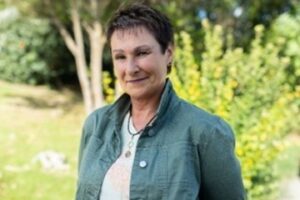
  • structured onboarding
  • daily lunchtime drop-ins
  • regular online reflective practice sessions (PD)
  • informal peer support spaces (‘Buddy system’)
  • ancillary task lists
  • Workplace chat.

This workshop will:

Explore the evidence and literature around building workplace culture

Showcase these strategies that we have used in detail

Invite attendees to share their own experiences.

Results:

We aim to look at embedding more strategies and enhancing those already existing.

Conclusion and Implications:

Participants in this workshop will explore the challenges of remote workforce management, examine evidence-based strategies to sustain culture, and consider innovative solutions for recruiting and supporting remote medical educators.


  Owen Bradfield is a medical and legal practitioner and currently the Chief Medical Officer of MIPS. He has 15 years’ experience in medical indemnity insurance, where he has advised and represented doctors in a range of medico-legal disputes, including civil claims, regulatory matters and employment disputes. Owen is also a health law researcher at the University of Melbourne, where his research into the intersection between doctors’ health and legal claims has been awarded a 2020 Fulbright Scholarship, a 2022 Premier’s Award in Health and Medical Research and a 2024 University of Melbourne Dean’s Award for Excellence in the PhD Thesis.


Presenting Author: Owen Bradfield

Abstract title: Navigating medical indemnity insurance and medicolegal issues

This interactive educational workshop will assist IMGs to understand their legal obligation to have appropriate professional indemnity insurance arrangements in place to cover all aspects of their practice. It will also assist IMGs to understand how MDOs can help them to navigate complex medicolegal situations and how MDOs can assist practitioners respond to, and defend, medicolegal claims and complaints. The workshop will then explore some common trending medicolegal issues faced by IMGs in clinical practice, such as the use of AI scribes, telehealth, interstate prescribing, mandatory reporting, privacy, voluntary assisted dying and medicinal cannabis prescribing. Medicolegal issues can cause anxiety and having experts available to support IMGs can improve wellbeing, vocational satisfaction and patient safety.

By attending this session, delegates will gain a deeper understanding of the key medicolegal issues in Australian clinical practice and the role of MDOs in supporting IMGs to navigate these issues. Key learning outcomes include:

  1. Understanding the importance of ringing for advice when unsure how to navigate a medicolegal issue.
  2. Understanding the importance of notifying your MDO if you are the subject of a claim or complaint, so that timely assistance and defence can be provided.
  3. Recognising that it is a legal requirement in Australia to have professional indemnity insurance arrangements in place.

This 60-minute workshop will be delivered by a dual-qualified GP and health lawyer, who will incorporate the use of case-studies, audience polls, medical indemnity insurance data and the latest research to facilitate audience engagement.


Pamela J. Ferrada is the Member Education, Knowledge and Research Manager at the Medical Indemnity Protection Society (MIPS), where she oversees the design and delivery of Continuing Professional Development (CPD) programs, to assist MIPS members in mitigating their medicolegal risks in clinical practice and meeting their Ahpra professional registration requirements.

Pamela holds a PhD in Biomedical Engineering from the University of Queensland, and a Master of Teaching from the Australian Catholic University. She also completed postdoctoral training at the Harvard Medical School in medical education with a focus on informed consent and death certification education for junior doctors.

Pamela serves as the Secretary for the Global Executive Leadership team of the Harvard Alumni for Education Special Interest Group, within the Harvard Alumni Network, fostering international dialogue on best practices in medical education.


Presenting Author: Pamela Ferrada

Abstract title: Learning to learn strategies for International Medical Graduates (IMGs): Reducing cognitive load and enhancing cultural adaptation

Context: 

International Medical Graduates (IMGs) may face heightened cognitive load from cultural, linguistic and professional transitions. Adult learning tenets can assist in developing coping strategies, improving healthcare delivery, and minimising medicolegal risks.

Problem Statement: 

Adapting to a new culture presents challenges, including communication barriers and transitioning to local customs and values. For IMGs, additional complexity arises from the need to navigate different healthcare systems, patients’ expectations and professional norms.

Methods and Approach: 

To address these challenges, this workshop draws on theories of Cognitive Load (CLT), Experiential Learning (ELT), and Social Learning (SLT) to explore how IMGs can optimize their learning in unfamiliar healthcare environments. This is relevant, as enhancing learning skills not only supports clinical expertise and cultural awareness, but also helps to minimize medicolegal risks, by ensuring IMGs are adequately prepared to local professional standards and community expectations.

Featuring a blend of case scenarios, practical activities and group discussions, participants will engage in exercises that foster collaboration and experiential learning. The workshop’s interactive format emphasizes peer sharing about real-life scenarios, encouraging participants to actively apply the concepts learned during the session. At the end of this workshop, participants will be able to: –

  • Apply integrated strategies based on CLT, ELT, and SLT to enhance teaching and learning in diverse clinical environments.
  • Identify strategies to manage cognitive load and foster self-directed learning in clinical settings
  • Reflect on their own teaching and learning practices and explore how to best implement principles of adult learning.

Conclusions and implications: 

This workshop underscores the importance of integrating evidence-based learning theories to support IMGs’ adaptation, clinical expertise development, and medicolegal risk mitigation. These outcomes promote safer patient care and more effective integration within interprofessional healthcare settings.

Q-Z

  Rebecca Stewart is a General Practitioner and Medical Educator with over 25 years of experience shaping the future of medicine through undergraduate, prevocational, and vocational training.  Bec is currently the Director of Clinical Training for the NQ IMG Preparation program.  She is a passionate advocate for equity in medical education, with a strong commitment to supporting International Medical Graduates and underrepresented groups. Her leadership is reflected in her contributions to local, state, and national committees where she champions inclusive policy and practice.  Clinically, Bec brings over 30 years of service to North Queensland as a GP with special interests in cardiology and outpatient care. Her career is defined by a deep commitment to mentorship, equity, and improving healthcare outcomes through education and advocacy.


Presenting Author: Rebecca Stewart

Abstract title: Evaluation of work-readiness program for International Medical Graduates (IMGs) in North Queensland

Research question/Problem Statement 

The North Queensland IMG Preparation Program is a novel clinical placement opportunity aimed at preparing IMGs for practice in the Australian healthcare system, specifically in North Queensland. The program aids with initial Ahpra registration and offers a formal education program comprising bespoke online core knowledge modules, followed by face-to-face core skills training and clinical placement through multiple clinical disciplines. Participants are embedded in clinical teams over a twelve-week period as honorary, supernumerary medical practitioners. The program was developed based on a scoping study to ensure that the approach and content were geographically contextual.

Methods and Approach 

Commencing in early 2025, the program has embedded evaluation milestones based on a logic-model approach over successive cohorts (three/year). Evaluation tools include:

  • Recruitment, enrolment, and completion statistics.
  • Feedback on education sessions, supervision, and participant performance.
  • Website and community of practice engagement numeri.
  • Participants exit interviews.
  • Outcomes from team `lessons learned’ meetings and risk register reviews.

Retrospective analysis is implemented in cohort cycles, with iterative changes made for continuous improvement. De-identified data is descriptively analyzed with thematic coding of free test responses and exit interviews post transcription. The evaluation plan has been approved by the Townsville Hospital and Health Service AQUIRE process.

Results 

Feedback regarding the educational context, supervisory model, course structure, and clinical placements has been overwhelmingly positive from both supervisors and NQ IMG Prep Practitioners. Nine of the ten participants in cohort one has been successful in gaining employment as doctors. A permissive learning environment and clinical immersion without performance expectation have been highlighted as positive drivers for learning and for supporting professional identity formation.

Conclusion and implications 

Preliminary evaluation findings have affirmed that the program design has exceeded the expectations of participants and supervisors and met the aim of ensuring work-readiness. Program maturity and ongoing evaluation will be critical to ensuring that program is fit for purpose and will also inform capacity for expansion and translation to other locations.

Rizwan Qureshi is a Consultant Emergency Physician currently working at Wollongong and Liverpool Hospitals in Sydney. Originally from Karachi, he began his post-graduate training in the UK before moving to Australia, where he completed his Emergency Medicine training at St George Hospital. As a migrant doctor himself, Dr. Qureshi takes great pride in mentoring junior doctors and supporting overseas-trained specialists as they navigate the Australian system. He is passionate about teaching, clinical education, and creating supportive environments for learning and growth. Outside of work, he enjoys making YouTube videos that share honest insights into medical careers, life in Australia, and the IMG journey. On weekends, you will often find him taking long walks along the beaches of Sydney’s south coast, soaking in the calm between emergency shifts.


Presenting Author: Rizwan Qureshi

Abstract title: Preparation, Pressure, and Persistence: The Hidden Journey of an IMG in Emergency Medicine

International Medical Graduates (IMGs) often carry inspiring stories of ambition and sacrifice—but beneath these stories lie quiet struggles that rarely make it into policy or structured support frameworks. This presentation shares a personal, lived experience of training as an IMG in Emergency Medicine across three countries—Pakistan, the United Kingdom, and Australia—while navigating licensing exams, career uncertainty, and the demands of family life, including caring for a child with complex disabilities. Despite holding qualifications and a strong clinical foundation, my journey involved multiple exam failures, relocation stress, imposter syndrome, and prolonged periods without mentorship or psychological safety. Particularly during my early years in the UK and Australia, the emotional burden of failing assessments while working night shifts in Emergency Departments—and returning home to caregiving duties—culminated in significant anxiety. Yet support structures for IMGs in these high-pressure environments were either minimal, reactive, or entirely absent. This presentation does not focus on clinical or academic metrics. Instead, it unpacks the often-unseen toll that migration, exams, systemic opacity, and cultural adjustment place on IMG wellbeing. It reflects on what could have made a difference: mentorship tailored for IMGs, peer support groups, protected wellbeing check-ins, and institutional empathy around family complexity and cultural transition. Ultimately, this talk makes the case for embedding psychological and sociocultural support into the IMG training experience—not as an afterthought, but as essential infrastructure. As more IMGs enter Australia’s healthcare system, it is time we move beyond resilience as an expectation, and start designing support as a responsibility.

Rob Roseby is a Respiratory and General Paediatrician, Head of Medical Specialties, and Director of Medical Education at Monash Children’s Hospital. He leads the Monash Health Workplace-Based Assessment (WBA) Program for IMGs.

Rob is deeply committed to medical education and takes pride in supporting the development of emerging healthcare professionals. He finds immense satisfaction in knowing that his work helps shape the clinical practice of outstanding doctors, ultimately enhancing patient care across the health system. He celebrates the achievements of doctors he mentors and supports, enjoying their career progression and displays of clinical excellence.

Rob is a senior examiner for the Royal Australasian College of Physicians (RACP) and maintains a strong interest in the intersection of clinical medicine and public health. He works in Aboriginal health, including serving as Head of Paediatrics in Alice Springs from 2003 to 2009, co-chaired an Inquiry into the NT Child Protection System 2009-10, was Deputy Director of Adolescent Medicine at the Royal Children’s Hospital 2009-12, and joined Monash Health in 2012. He is on two Victorian Government advisory panels.


Presenting Author: Rob Roseby

Abstract title: Entry to and exit from the Monash WBA program: Process Indicators

Background: 

WBA programs are an alternative to the AMC clinical exam, with high educational value and high success rates. They are valued by candidates and health services. The Monash WBA program has been running since 2012 as one of the first WBA sites nationally. Applications are open only to doctors already employed at Monash Health, with a condition of entry that local referees are prepared to state that the applicant is already working above the standard of end internship/ start PGY2. The high pass rate of WBA programs nationally when compared with the AMC clinical exam necessitates reflection on who the candidates are and what happens to them after success in the program.

Method: 

We collect data in three ways: on application, an exit survey after program completion, and we maintain a ‘where are they now?’ database. We interrogated these data to look at process measures which reflect the success of our candidates and our program.

Results: 

99 candidates have completed our WBA program, 97 successfully. Of the 97 who passed, 83 had passed at least 12 months before the last survey update. Of those 83, 74 (have entered further or specialist training, 12 of whom have completed it, one of whom is a WBA assessor in our program. The mean time from starting as an employee in the Australian health system to entering our WBA program was 2.5 years (median 2.0yrs). The modal times of respondent program completion to further training program entry were one or two years.

Conclusion and implications: 

Times to WBA entry and subsequently to further training program entry appear to be useful process measures. Candidate and provider perspectives on these lag times will differ. Key words: International medical graduate Workplace based assessment Process indicators Outcomes Training program

  Tharushi Jayasekara is a Lecturer in Medical Education at Flinders University and co-founder of “AMC by MinuteMED”, a platform supporting international medical graduates. She holds an MBBS and will begin her medical internship in rural South Australia in January 2026. With over 10 years of teaching experience in medical and biological sciences, she is passionate about empowering future doctors through engaging, accessible education.


Presenting Author: Tharushi Jayasekara

Abstract title: Story-Driven Learning for IMGs – A Visual Teaching Initiative

As a Lecturer in Medical Education (Academic Level B) at Flinders University, and an international medical graduate now eligible for limited registration with AHPRA, medical education has always been my passion. Over the years, I have taught biology and medical sciences remotely to students around the world. Through that experience, I realised how powerful visual storytelling can be in helping students truly understand, not just memorise, complex content. For example, when explaining protein synthesis, turning it into a story with characters and events made it easier for students to recall and grasp the concept.

That insight led me to create “MinuteMED”, a YouTube channel where I use Videoscribe and other external software to personally script, illustrate, and narrate every video. These are not generic or outsourced materials. Each one is crafted with the learner in mind. The channel has now reached over 700,000 views, with content that simplifies difficult topics and connects students to core ideas. I also registered MinuteMED as an online tutoring company in Sri Lanka, offering personalised one-on-one support to students globally.

After passing my AMC Part 1 exam, I launched “AMC by MinuteMED” by creating Videoscribe-based videos that present clinical scenarios in an Australian context through a question-and-discussion format. These visual cases help candidates think critically and apply knowledge. I plan to expand this into my own dedicated platform to deliver engaging, interactive medical education content designed specifically for international medical graduates preparing for clinical practice. This has proven especially effective for IMGs who often face exam pressure without prior clinical exposure in Australia. In this Rounds Reimagined session, I will share my journey as an IMG educator and how genuine, engaging visuals, including animated lessons and AI-enhanced illustrations, have helped IMGs master content, gain confidence, and feel supported throughout their learning journey.


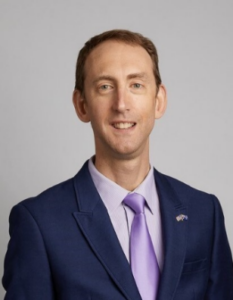
 

Udaya Pillutla is the founder of the IMG Collective, a grassroots peer network supporting International Medical Graduates (IMGs) across Australia. Together with Bharat Iyer, a committed collaborator, they provide mentorship, career guidance, community engagement and policy advocacy to empower overseas-trained doctors navigating the Australian medical system.

The IMG Collective has supported hundreds of IMGs and international medical students from diverse backgrounds including India, Sri Lanka, Malaysia, Ukraine and Africa. Their initiatives include delivering free webinars and workshops focused on clinical readiness, career planning and exam preparation, as well as facilitating ongoing peer support through digital communities.

Pillutla and Iyer have led advocacy efforts engaging with many health leaders and stakeholders to promote equitable access, enhanced orientation and support programs that help IMGs transition smoothly into Australian healthcare settings and improved mental health support. Their work is deeply rooted in lived experience, aiming to foster a stronger, safer and more supported IMG workforce across Australia.

Presenting Author: Udaya Pillutla and Bharat Iyer

Abstract title: The Hidden Struggles of Citizen IMGs in Australia

In Australia, many International Medical Graduates (IMGs) are citizens or permanent residents who live, study and raise their families here. Some were born in Australia but studied medicine overseas; others moved here after medical school, hoping to serve communities and build their futures. Despite passing the required Australian Medical Council (AMC) exams, many still cannot work as doctors. This abstract highlight the challenges faced by citizen IMGs due to current policies and advocates for meaningful reforms to better integrate them into Australia’s healthcare system.

The biggest barrier is the “recency of practice” rule, which demands recent hospital experience to qualify for supervised clinical roles. For citizen IMGs, this opportunity is often out of reach. Australia offers no formal clinical assistant roles for unregistered IMGs to maintain clinical exposure while preparing for or seeking supervised employment.

At the same time, they must juggle caregiving responsibilities, resettle their families, pay high exam fees and navigate a complex registration process. These realities create unavoidable gaps in clinical practice – gaps that shut them out of the very roles they need to move forward. Doors close. Opportunities vanish. Many are forced into unrelated jobs (cleaning, Uber driving, non-clinical roles) despite being qualified, capable and ready to help Australia’s overstretched healthcare system.

This presentation shares true stories from doctors caught in a heartbreaking limbo. Many who arrived full of hope have had to pause their dreams to care for loved ones, survive financially and wait for a fair chance. They speak of the deep toll on their confidence, mental health and families. They are not outsiders. They are our neighbours, our citizens, our future doctors.

We call for urgent reform: fairer, accessible training pathways, support to meet recency requirements without leaving Australia, mental health and peer support services for IMG doctors. These doctors are already here –skilled, committed and ready. It is time to let them serve.

  Vanessa Atienza-Hipolito is a breast radiologist, Clinical Director, and award-winning entrepreneur based in Western Australia. With more than 24 years’ experience, she leads Women’s & Breast Imaging and V Imaging, specialising in personalised breast care and minimally invasive procedures. A passionate educator and mentor, she lectures at Curtin University, UWA and ECU and supports International Medical Graduates through the AMC and specialist pathways. Founder of the You Are Joy Movement and creator of the Dr Vanessa 9-Step Self-Leadership Framework, she advocates for inclusive healthcare, women’s health, and optimistic leadership through her writing and international speaking.


Presenting Author: Vanessa Atienza-Hipolito

Abstract title: Embracing Failure: My IMG Story and the Road to Unstoppable Success

Research Question / Problem Statement 

Can embracing personal failure serve as a catalyst for transformational growth, identity reconstruction and sustainable success for International Medical Graduates (IMGs)?

Methods and Approach 

This deeply personal presentation explores the lived journey of an overseas-trained radiologist who failed multiple exams—including English, fellowship and national board assessments—yet went on to become a successful clinician, business owner, published author and mentor to hundreds of IMGs. Through vulnerable and reflective storytelling, the speaker shares moments of deep shame, isolation, and self-doubt that nearly ended her career. These failures became turning points that ignited her purpose and laid the foundation for her 9-Step Self-Leadership Framework: Director, Reinvention, Victory, Appreciation, Negative Self-Talk, Energy, Self-Education, Self-Investment and Action.

Results 

The speaker’s story has resonated with mentees and audiences across Australia and the Philippines. Many have found renewed courage to pursue their goals, reframe setbacks and reconnect with their “why.” Her journey—from exam failure to building a purpose-led career—demonstrates that success is not defined by scores or speed, but by inner strength, clarity and commitment to growth.

Conclusion and Implications

This talk challenges the stigma around failure in medicine, particularly among IMGs. It aims to foster self-compassion, courage and renewed purpose—empowering IMGs to lead with authenticity and create their own definitions of success. Sometimes, failure is not the end, but the beginning of unstoppable success.


Presenting Author: Vanessa Atienza-Hipolito

Abstract title: Hope in Translation: A Filipino Radiologist’s Journey Through Motherhood, Mentorship and the IMG Pathway

Research Question / Problem Statement 

Filipino International Medical Graduates (IMGs) often face cultural, social, emotional and professional challenges when attempting to re-establish themselves in specialized fields like radiology in Australia. This raises the question: In what ways can culturally aligned mentorship support, motivate and empower Filipino IMGs -particularly mothers and early-career doctors -to pursue a career in radiology in Australia?

Methods and Approach 

This oral presentation shares the author’s personal journey navigating the uncertainty of rebuilding her career in Australia. She felt invisible and discouraged by work gap and overwhelmed by the demands of motherhood. Everything shifted after attending a mentorship session led by a fellow Filipino radiologist who faced similar struggles. Her story reflects the silent struggles many IMGs face –the fear of failure, uncertainty about specialist pathway and the emotional weight of balancing motherhood and professional aspirations.

Results 

Following the session, the presenter felt emotionally reconnected to her purpose and empowered to pursue the radiology specialist pathway. The mentorship experience helped her overcome self-doubt and fear and the presence of a Filipino medical community gave her a sense of belonging and hope.

Conclusion and Implications 

This presentation highlights how storytelling, cultural connection and intentional mentorship can shift mindset and restore ambition for IMGs. It calls for more emotionally attuned and community-driven mentorship programs tailored to the challenges of Filipino doctors navigating the Australian system.

  Varuna Jayanetti is Senior Registrar in Emergency Medicine, Teaching Hospital Canberra


Presenting Author: Varuna Jayanetti

Abstract title: Designing and conducting an orientation program for International Medical Graduate Registrars in the Emergency Department (ED) of the Canberra Hospital

Challenges faced by Immigrant medical graduate registrars after starting their work at the Canberra hospital emergency department

Methods and approach: 

Emergency department of Canberra hospital identified the need of an orientation program for newly recruited international medical graduate registrars. Initially, online feedback forms distributed among registrars and consultants and identified the challenges faced by IMG registrars most recently commenced the duty at the Emergency Medicine department. Main Challenges in communication, following admitting and discharging criteria, safe prescribing, managing patient with mental health issues and adhering to guidelines were identified.

Orientation program was conducted with the participation of IMG consultants and senior registrars as resource persons. Lectures, case-based discussions and interactive sessions were conducted sharing own experience of resource personnel, highlighting the overview of Emergency department, the way forward with the guidance from ED leadership and Canberra health service pathways. Furthermore, effective communication in the Emergency department, providing quality care for the mentally unsound patients were addressed and case-based discussions were conducted on challenging scenarios.

Results: 

Feedback was collected from the attendees in order to plan a more appropriate and sustainable program for future IMG registrars arriving to Canberra health services. Mentor -Mentee program was initiated to support the IMG registrars at the emergency department.

Conclusion: 

All IMG registrars need a well-organized, trainee-centred sustainable orientation program and Mentor-mentee program to adapt and function effectively in Australian emergency medicine setting.

Was this information helpful?